
ÀKỌ́Ọ́LẸ̀ ÌTÀN · THE STORY OF A CITY
Built by courage.
Shaped by generations.
Ibadan's history is written in its people, ancestral family compounds (Agbo Ilé), meritocratic chieftaincy traditions, and enduring customs.
The Making of Ibadan.
The Foundations of Ibadan
A war camp established by allied Yoruba warriors fleeing the collapse of the Oyo Empire grows into a formidable fortress metropolis.
Unlike ancient kingdoms bound by single royal bloodlines, Ibadan was founded as a republican sanctuary where bravery, military strategy, and civic wisdom determined leadership.
The Republican Chieftaincy Ladder
Establishment of the dual non-hereditary chieftaincy succession ladder: the Otun (Civil) and Balogun (Military) lines.
This governance structure eliminated royal succession wars. Any qualified Mogaji can advance rank-by-rank through service and longevity to ascend the throne of the Olubadan.
Growth of Ancestral Agbo Ilé
Over 2,500 family compounds flourish across Mapo, Bere, Kudeti, Oja 'Ba, and Oke Ado, establishing deep ancestral roots.
The Agbo Ilé became the foundational court of arbitration, cultural instruction, and community welfare, with the Mogaji serving as the lineage father.
Mapo Hall Commissioned
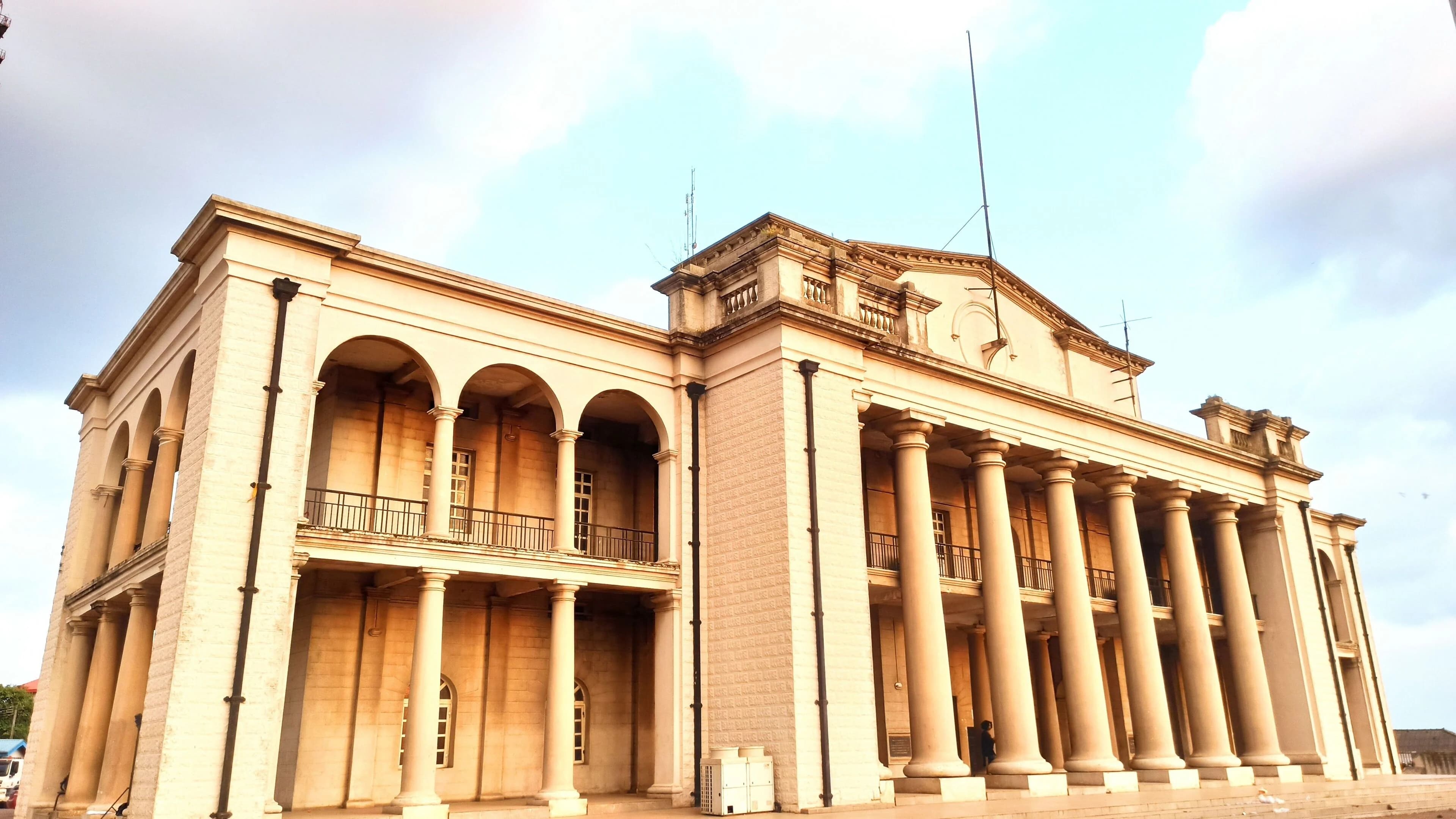
Mapo Hall is commissioned atop Mapo Hill, becoming the iconic neoclassical seat of traditional governance and civic assembly.
Built with local materials, Mapo Hall serves as the supreme meeting ground for the Council of Mogajis and royal chieftaincy conferments.
Designation of the Olubadan Title
The title of the ruler of Ibadan officially transitions from Baale to Olubadan of Ibadanland ('Lord of Ibadan').
This elevation formalized Ibadan's monarchical status across Nigeria while strictly retaining its meritocratic dual-line succession system.
The Association of Mogajis of Ibadanland
Unification of certified compound heads under a modern executive council to safeguard heritage and foster community development.
Under current leadership, the Association interfaces with civil authorities, preserves lineage archives, and constructs monumental assembly secretariats like Gbọ̀ngàn Mògájì Ilé Ẹ̀kẹ́.
More than a city.
A living institution.
Ibadan does not belong to a single royal dynasty. It is governed by a meritocratic traditional system preserved across three foundational pillars.
THE PEOPLE
The families and warrior lineages who built Ibadan from an encampment into Africa's largest indigenous metropolis. Every compound carries its own warrior history and title.
THE INSTITUTION
The dual succession ladder — Otun (Civil) and Balogun (Military) — which enables leaders to ascend through merit, rank longevity, and civic contribution without succession crises.
THE HERITAGE
The oral praise poetry (Oríkì), compound dispute arbitration, sacred rites, and assemblies safeguarded by the Association of Mogajis across centuries.
Echoes of Old Ibadan.
Àwọn Ilé Àtijọ́
Old Ibadan Architecture
Clay wall courtyards, corrugated rust roofs, and open piazzas of ancient Agbo Ilé compounds.
Ìwoye Àti Àwọn Ìlẹ̀kẹ̀
Chieftaincy Installation Rites
Beaded royal crowns, sacred ilẹkẹ beads, and ceremonial sword conferments under the Olubadan-in-Council.
Àwọn Àgbègbè Ìbàdàn
Historic Quarters of Ibadan
From the slopes of Mapo Hill to Bere crossroads, the urban fabric of a fortress metropolis.
Àwọn Àgbà Àwùjọ
Custodians & Lineage Elders
Mogajis and compound elders holding council in family compounds to preserve oral history.
The story doesn't end here.
Discover the living custodians who carry these ancient compound traditions into the present day.